
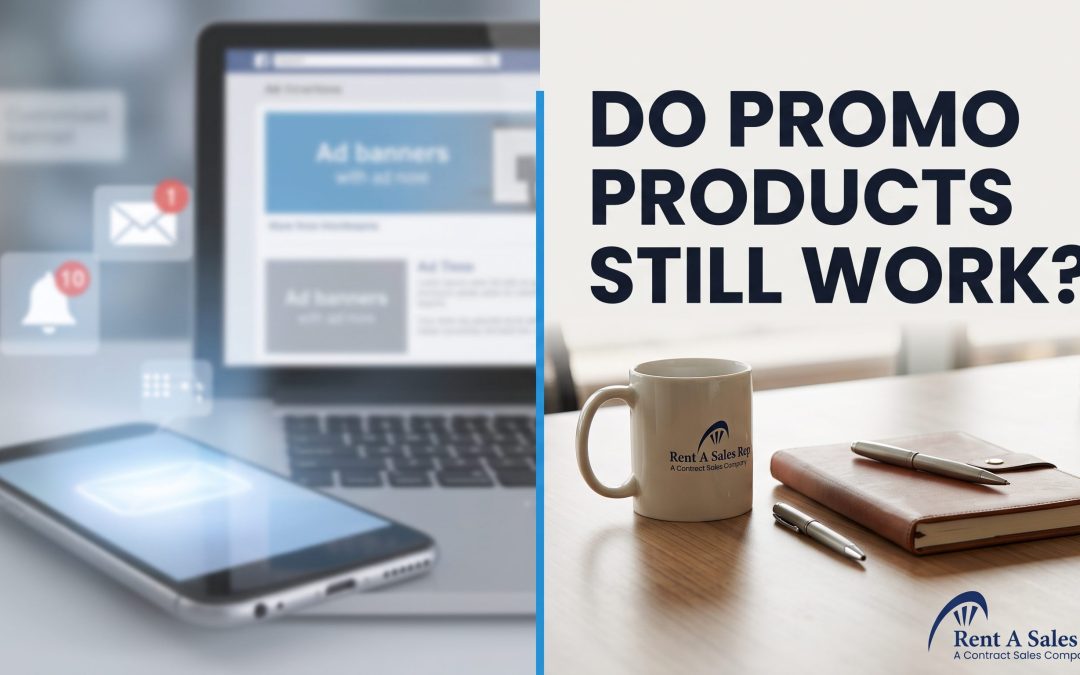
We live in an age of infinite scroll, banner blindness, and inbox overload. The average business pro is overwhelmed with hundreds of digital images a day – emails, retargeting ads, push notifications, LinkedIn messages – and most of it is forgotten within seconds. Against this backdrop, something counterintuitive is happening: physical promotional products are making a real comeback, precisely because they are not digital.
**Digital fatigue is real, and it’s changing buyer behavior**
Decision-makers, especially in B2B, are experiencing genuine fatigue with digital outreach. Cold emails get filtered, ads get ignored, and even well-crafted LinkedIn campaigns blend into a wall of sameness. When everything competes for attention on the same handful of screens, nothing truly stands out. A tangible item – a branded notebook, a quality pen, a desk accessory – breaks that pattern simply by existing outside the screen. It sits on a desk, it gets picked up, it gets used. That is presence no digital ad can replicate.
**Physical objects create memory in a way pixels don’t**
Cognitive research has long shown that people retain information better when it’s tied to a physical, sensory experience. A well-chosen promotional product isn’t just “not deleted” – it’s actively held, touched, and reused over weeks or months. Every time that item is used, the brand gets a fresh impression without paying for another ad. Compare that to a digital ad’s average lifespan of a few seconds, and the value proposition becomes clear: promotional products offer sustained, low-cost brand exposure that compounds over time.
**The cost-per-impression math tells the real story**
Marketers are trained to think in cost-per-impression (CPI), and this is where promotional products quietly win. Industry data on promotional products has long put the average cost per impression at roughly half a cent to a cent and a half, depending on the item – a branded pen or tote bag can rack up thousands of impressions over its useful life, each one costing a fraction of what a single digital ad impression costs. Compare that to typical digital CPMs (cost per thousand impressions), which routinely run anywhere from $5 to $30+ depending on platform and targeting – meaning each digital impression alone can cost more than an entire physical item’s total lifetime cost per view.
The difference comes down to lifespan. A digital ad’s impression is a one-time, fleeting event – seen once, gone in seconds, and never again unless paid for again. A promotional product keeps generating impressions for as long as it’s used: a mug seen daily at a desk, a bag carried through an airport, a notebook opened in every meeting. Studies commonly cited in the promotional products industry suggest the average branded item stays in use for six to eight months, and some (apparel, bags, drinkware) last years – each use is another free impression with zero incremental spend. When you divide total cost by total impressions over that lifespan, physical items frequently beat digital channels on pure cost efficiency, even before accounting for the trust and recall advantages tangible items carry.
**Trust and human connection matter more when everything feels automated**
Buyers today are increasingly skeptical of anything that feels automated or mass-produced digitally – chatbots, templated outreach, AI-generated content. A thoughtful, physical gift signals something different: that a real person considered the relationship worth the extra effort. In relationship-driven B2B sales cycles – especially in IT, software, health tech, and other complex service categories – that signal of genuine investment can be the differentiator that gets a decision-maker to take the next meeting.
As more budget has shifted to digital over the past decade, physical touchpoints have become rarer. Ironically, that scarcity now makes them stand out more, not less. When most vendors are competing in the same digital channels, the company that shows up with a well-timed, high-quality physical touch differentiates itself simply by doing something others aren’t.
**The smart approach: neither replaces the other**
None of this means digital should be abandoned – digital channels remain essential for reach, targeting, and measurement. But the companies winning today are the ones treating promotional products as a strategic complement to digital outreach, not a relic of the past. A well-timed physical mailer following a digital touchpoint, or a branded item delivered ahead of a sales meeting, can meaningfully lift response rates and recall precisely because it breaks from the digital noise the prospect is already tuning out
Attention is the scarcest resource in modern marketing, and digital saturation has made that scarcity worse, not better. When you run the numbers on cost per impression, promotional products often out-earn their digital counterparts on pure economics – and they add something screens cannot: a physical, memorable, and trust-building touchpoint that cuts through the noise. For B2B companies competing for the attention of overloaded decision-makers, that combination of low cost per impression and high tangibility isn’t nostalgic, its the competitive edge.